ByteDance unveiled Seedance 2.5 on June 23 at its Volcano Engine FORCE conference in Beijing. The model is in global enterprise beta now, with an official launch expected in early July 2026. What actually changed comes down to three things that have kept generated video stuck in demos: length, consistency, and control.
Here is what is confirmed, and what to wait on.
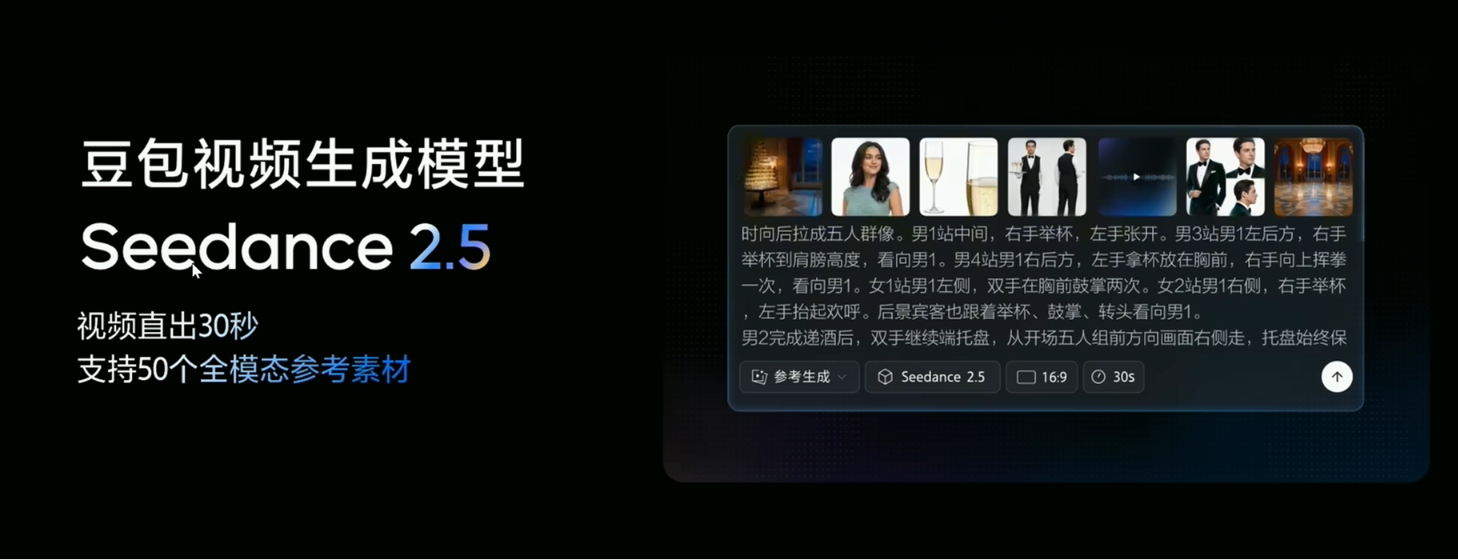
A single 30-second clip, generated in one shot
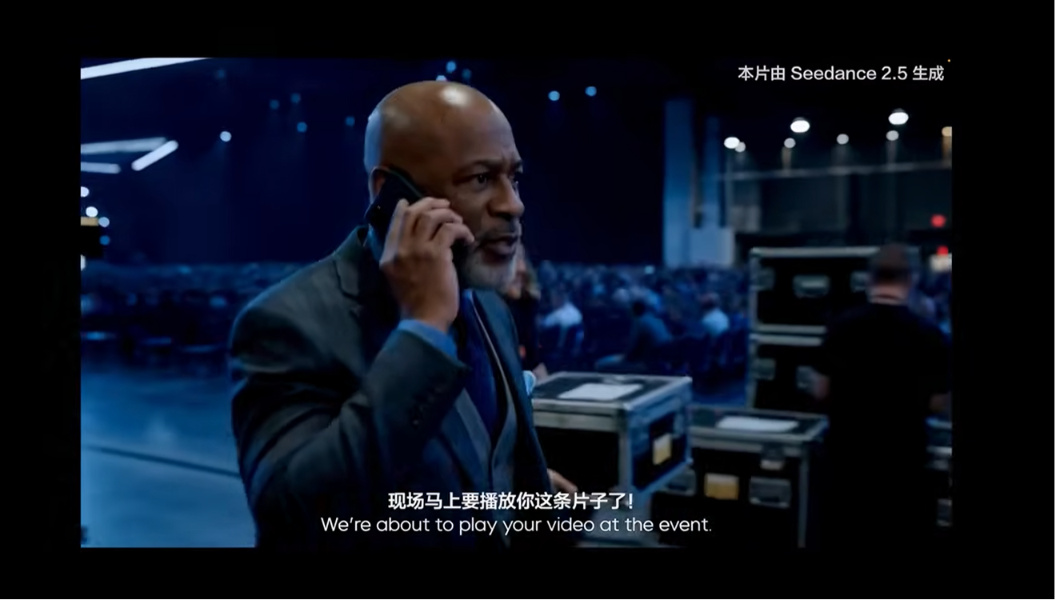
Most video models cap a clip at around 15 seconds. Past that, you stitch. Seedance 2.5 generates a full 30-second clip in one pass, no splicing, with scene changes and tempo shifts inside the same generation. That sounds incremental, but it is not. Stitching is where continuity dies, because each new segment reintroduces the chance for a face, a logo, or a background to drift. Doubling the native length while keeping one continuous generation removes the seam entirely.
Fifty reference inputs to stop the "morphing" problem
Anyone who has made a longer AI clip knows the failure. A character looks right for three seconds, then the jaw widens, the jacket changes color, and a product label rearranges itself. Seedance 2.5 attacks this by accepting up to 50 reference materials at once, mixing images, video, audio, and text. Version 2.0 allowed somewhere between 12 and 15. Feeding the model that many anchors gives it far more to hold onto across a half-minute shot, which is exactly the window where consistency used to collapse.
Localized editing, so you change one thing and nothing else
There is a new editing feature that lets you modify a specific part of a frame while the rest of the scene stays put. Swap a sign, change a jacket, fix one object, and the surrounding pixels hold. This is the difference between regenerating an entire clip and making a surgical fix, and it puts Seedance on the same footing as the frame-level editing Google has been showing in its Gemini Omni line.
A licensing platform for remixing classic films
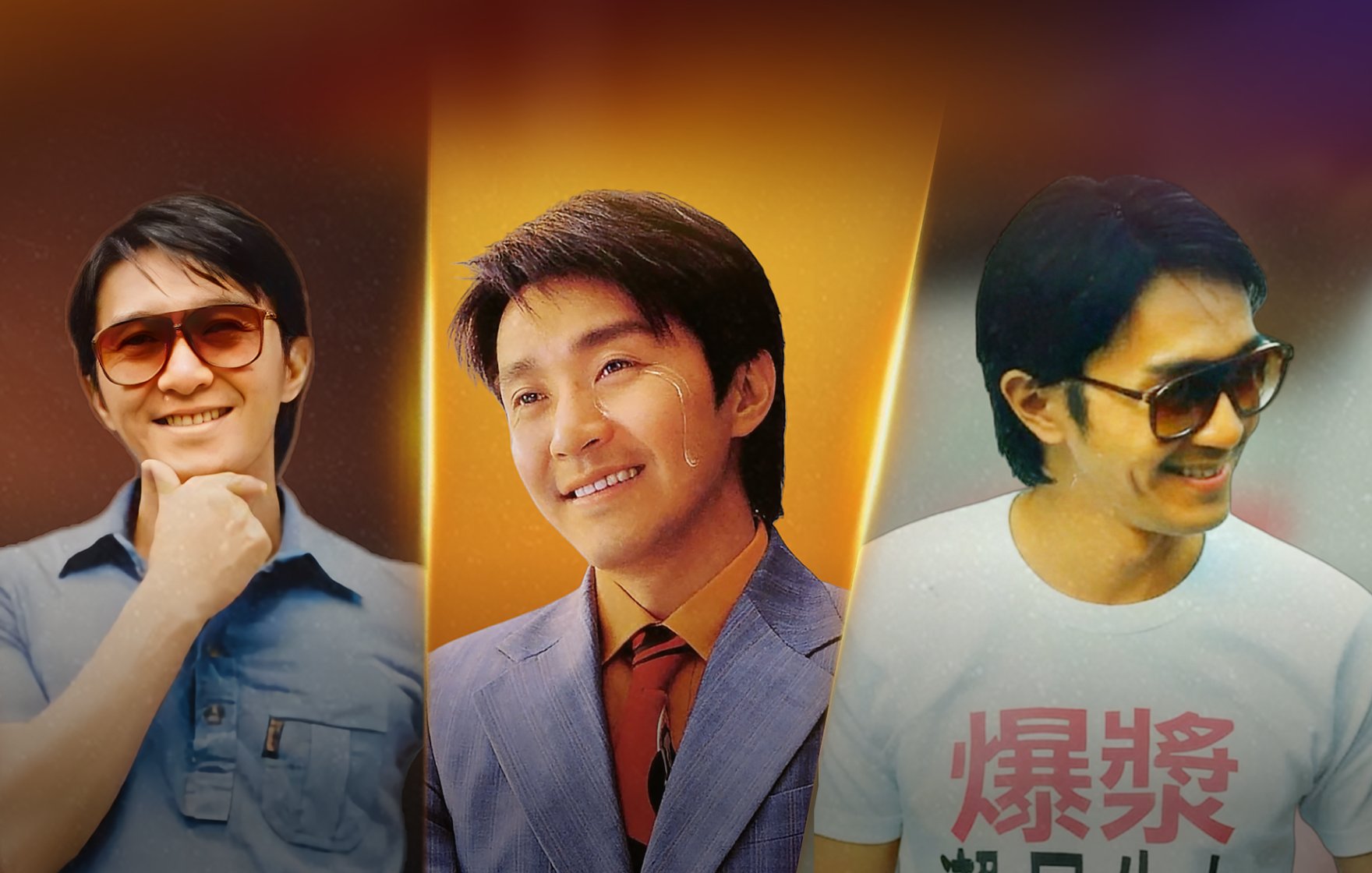
ByteDance also introduced an AI copyright platform, with Hong Kong filmmaker Stephen Chow as a launch partner. Users can take authorized templates from classic Chow films and build their own derivative clips through Douyin, Jimeng, and CapCut. This is not a concept slide. More than 100,000 derivative works have already been made through it. The bet is straightforward. Build a sanctioned, paid path for remix culture instead of fighting a flood of unlicensed clips. That is a copyright answer most Western labs have not attempted.
While you wait: 4K for Seedance 2.0
The current 2.0 model is being upgraded to native 4K with 10-bit color, ahead of the 2.5 launch. That single line is bigger than it looks. The whole industry has struggled to push cleanly past 1080p, so native 4K on the model people can use today is a practical win for anyone shipping client work right now.
The bigger bet: video models as "world models"
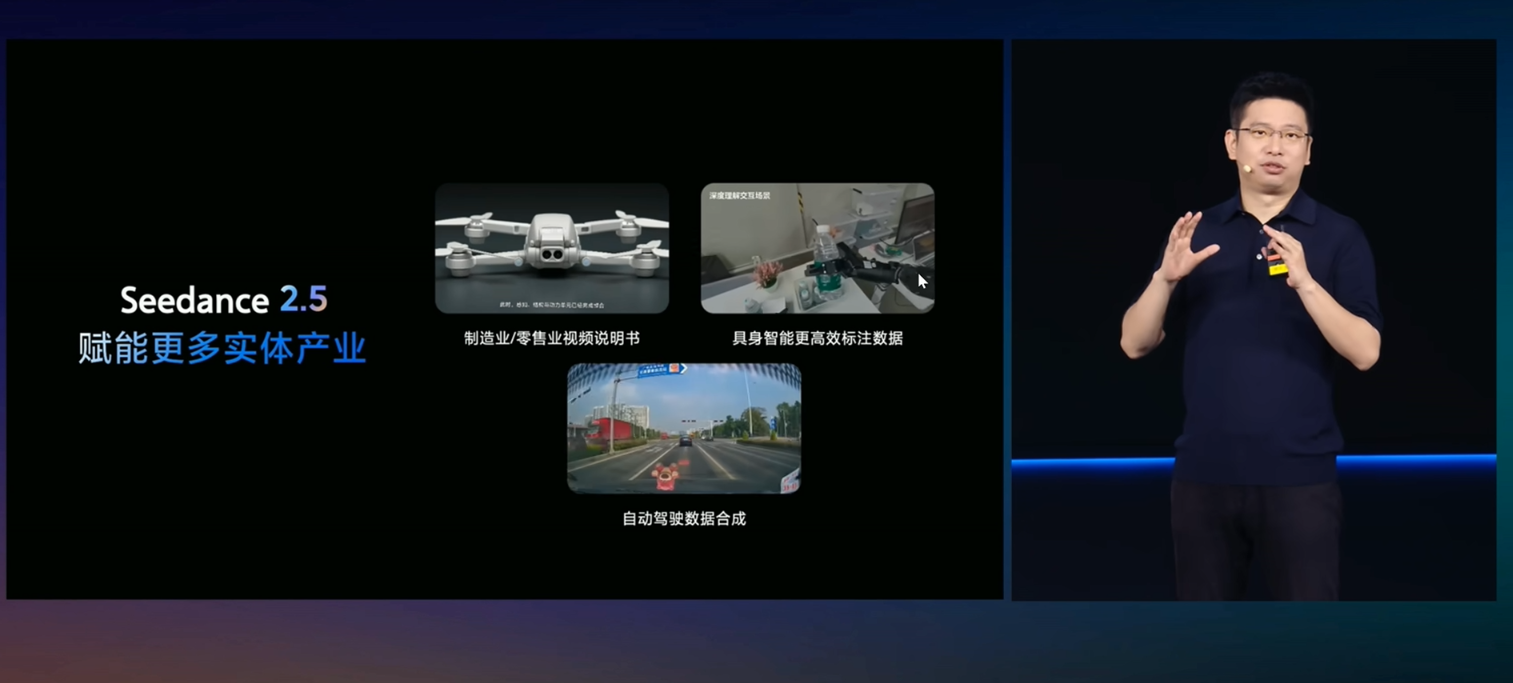
ByteDance frames Seedance as a step toward what it calls world models, AI that builds an actual understanding of physical reality rather than just plausible-looking motion. The same technology is being pointed at embodied AI, robotics, industrial manufacturing, and self-driving systems, where generated footage becomes synthetic training data. The scale behind this is real. At the same conference, ByteDance said daily usage across its Doubao models now runs past 180 trillion tokens. That is the kind of volume that turns video generation into infrastructure other software runs on.
Where this sits in the race
For a while the leaderboards belonged to American models, with Sora and Veo trading the top spots. That has shifted. On the Artificial Analysis Video Arena, Seedance 2.0 currently ranks first in both text-to-video and image-to-video, ahead of Kling 3.0, Veo 3.1, and Sora 2. Google's Gemini Omni is the headline Western rival, but at launch it shipped without a public API, which kept it out of most production workflows even as its quality drew comparisons. Kling 3.0 is the other name crowding the top. Chinese models now fill much of the ranking, and Seedance sits at or near the front of it.
If Seedance 2.5 ships as described, 30 seconds and 50 references could widen that lead. That is the open question for July.
How to build with this today
You do not have to wait for one lab's release to ship AI video. Through DreamAPI, you can already generate text-to-video and image-to-video, keep a character consistent across clips with reference images, and drive talking-head footage from a generated voice track, all behind one API. When Seedance-class capability becomes broadly available, the integration pattern you build now is the one you keep.
FAQ
When does Seedance 2.5 launch? It entered global enterprise beta on June 23, 2026, with a public release expected in early July 2026.
What is the biggest upgrade over Seedance 2.0? Native 30-second clips in a single generation, up from roughly 15 seconds, plus support for up to 50 reference inputs instead of 12 to 15.
Can Seedance 2.5 edit part of a video? Yes. A new localized editing feature changes a specific region of a frame while leaving the rest of the scene untouched.
Is Seedance better than Google's model? On the Artificial Analysis Video Arena, Seedance 2.0 ranks first in both text-to-video and image-to-video as of mid-2026, ahead of Kling 3.0, Veo 3.1, and Sora 2. Google's Gemini Omni is the closest Western rival, though it launched without a public API. Seedance 2.5 is expected to extend that lead.